Introduction:
The debate between gas-powered cars and electric cars has never been more important than it was before. As concerns rise towards the environment and increasing technological advances towards electric power, consumers face a major question: Should they remain with the traditional gasoline engines, or should they turn towards electric? Both options have their advantages and disadvantages associated with them, but knowing their differences would allow them to make a decision. In this blog, we will highlight those aspects that set gas apart from electric cars in terms of price, environmental impact, distance, and overall performance.
Cost/ownership:
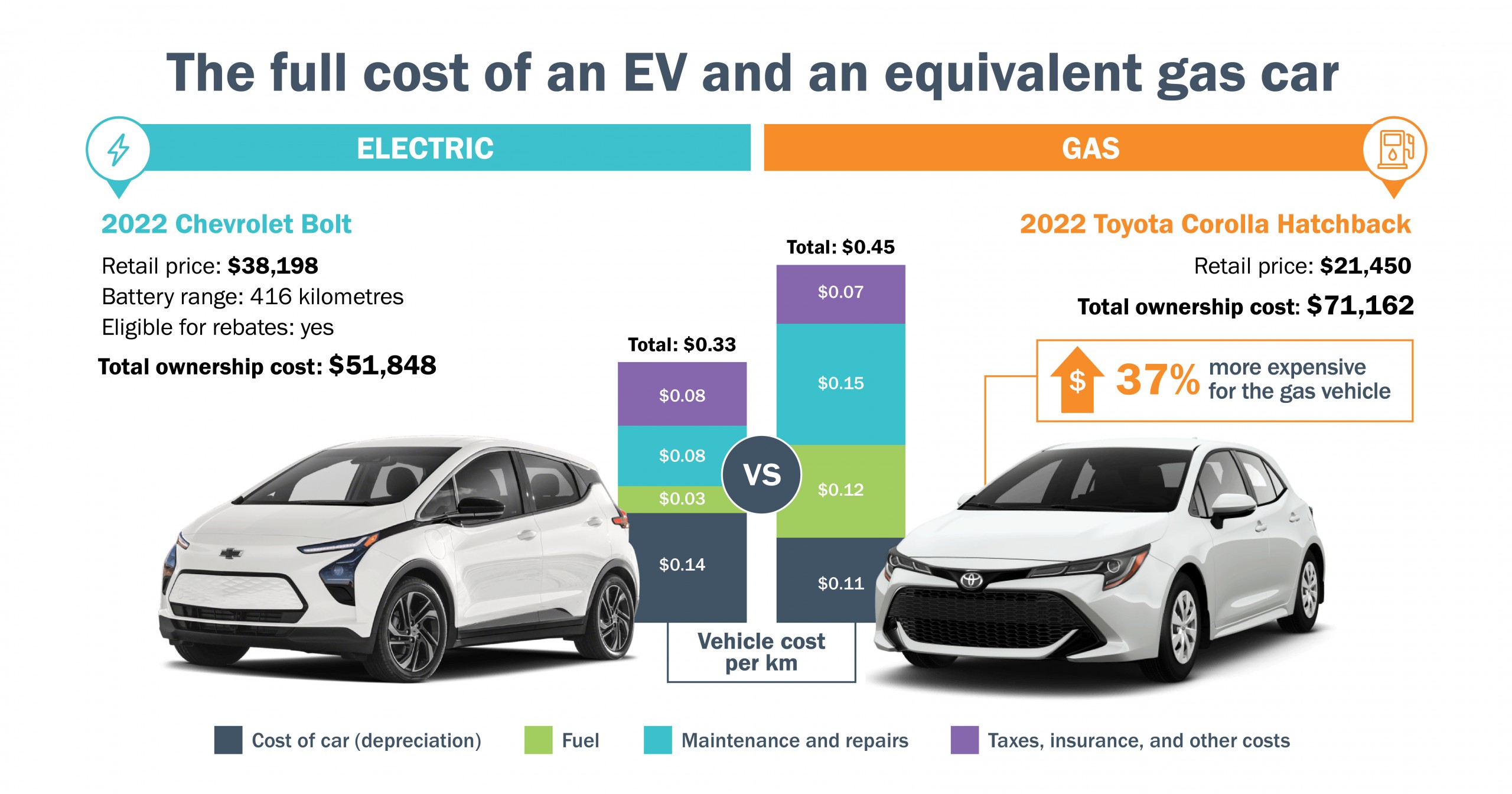 |
One of the first things that any car buyer considers is price. An electric vehicle may cost more than a gas-powered one, but there is a greater potential for savings over time. In most cases, electricity costs less than gasoline, while EVs generally require less maintenance and have fewer moving parts (they have no exhaust systems and no oil changes). As a result, these savings can offset the higher initial cost. Overall, EVs are increasingly cheaper to own, given the fact that there are also tax credits given to buyers of electric vehicles.
On the other hand, gas-powered cars tend to be cheaper to buy at first. They also give you a broader selection in the used car world, making them available to more buyers. On the other hand, gas-powered cars are subject to long-term expenses, like gas, oil changes, and increased maintenance.
Environment Impact:
When it comes to environmental considerations, electric cars take a highly favorable stake. In the electric vehicle world, there are no tailpipe emissions from an EV, which means cleaner air and pollution reduction. Beyond that, there is a need for the discussion of a significant cutback in the carbon footprint when EVs are charged by renewable sources of energy, including solar power or wind power. Transitioning to electric vehicles is an important step seen to be extremely important in combating climate change.
However, acknowledging also the environmental concerns regarding EV battery production is very essential; mining for lithium, cobalt, and nickel does increase elements that will harm the environment, and the production of EV batteries is resource-demanding. However, over the embedded lifespan, electric cars justifiably are many times eco-friendlier than their gas-powered counterparts, especially when considering their reduced contribution to global warming.
Range and refueling:
Early models, with shorter ranges, caused concerns about Range Anxiety - the fear of running out of power while driving on public roads. Although modern EVs such as the Tesla Model S range over 400 miles per charge, the infrastructure for charging the EVs is still behind. Charging stations are becoming more widespread but are not as common in rural areas as gas stations because electric cars have been recently more popular.
Gasoline-powered vehicles, on the other hand, provide the convenience of fast refueling at almost every filling station, which surely is an edge to those who often drive long distances. In a matter of minutes, gas vehicles are on the road again. While charging times are improving in the case of EVs, even the fastest charging still takes considerably longer than a quick stop at the service station.
conclusion:
Therefore, whether you should use a gas-powered vehicle, or an electric car comes down to your driving habits, your concern for the environment, and your finances. So, if you want longer-term savings, a lower carbon footprint, and peak performance, an EV may be the car for you. But if you often cover longer distances or want to stick to the more affordable upfront purchase price, a gasoline vehicle may remain a more sensible choice. As tech develops and there are charging stations everywhere, the difference between the two will become less and less, making the future of driving an interesting one! Thank you for your time reading the difference between electric vehicles and gas-powered vehicles. I hope this blog addressed some concerns and addressed the advantages and disadvantages of electric cars and gas-powered cars. stay tuned for the next blog which will be coming out soon
Links: Design Your Model S | Tesla
I really like the pros and cons that you listed for both gas and electric vehicles, it's almost like you're letting the viewer decide for themselves which is better. I don't personally know as far as cost wise go, it'd be pretty similar since there are maintenance costs that you need for gas powered cards, but then the initial price of an electric is steep. It'll definitely be interesting to see where the future is headed because electric cars are worse for the environment over time with their non-decomposing chips.
ReplyDeleteThis is Chloe by the way. It wouldn't let me comment under my Maricopa account.
Delete